Where Does the Dirty Water Go After Pressure Cleaning?
It is one of the most common questions Rockhampton property owners ask before booking a pressure cleaning job: once the grime, mould, oil and dirt have been blasted off driveways, patios, roofs and walls, where does all that dirty water actually end up? The answer matters for your garden, your neighbours, local waterways and the Fitzroy River catchment. This guide explains what happens to wastewater, what the rules say, and how responsible operators handle it in 2026.
What Is Actually in Pressure Cleaning Wastewater?
Pressure cleaning wastewater is rarely just water. Depending on the surface and the job, it can carry a mix of materials that you do not want entering natural waterways.
- Soil, sand and sediment washed from driveways, paths and pavers
- Organic matter such as mould, algae, lichen, leaf litter and bird droppings
- Oils and grease from driveways, garage floors, carports and commercial areas
- Detergents and cleaning chemicals used to break down stubborn stains
- Paint flakes and old coatings that may contain heavy metals on older buildings
- Cement and concrete residues from slabs, renders and new builds
Because Rockhampton's warm, humid climate encourages heavy mould and algae growth, a lot of wastewater here carries organic material and biocides from treatments. That is why where the water goes is not a trivial detail.
The Short Answer: Stormwater, Sewer or Soil
After a clean, wastewater typically takes one of three paths: it drains into the stormwater system, it is directed to the sewer, or it soaks into the ground or garden. Each path has very different consequences.
1. Stormwater Drains
The gutters, kerbside grates and pits you see around Rockhampton streets connect to the stormwater network. Stormwater is not treated. It flows directly into creeks, lagoons and eventually the Fitzroy River and the Great Barrier Reef lagoon. Allowing dirty, detergent-laden water to enter these drains can harm aquatic life, smother habitats with sediment and contribute to nutrient pollution.
Under Queensland's Environmental Protection Act 1994, causing environmental harm, including releasing contaminants into stormwater, can attract penalties. Rockhampton Regional Council also has local laws and environmental expectations aimed at keeping stormwater clean. Responsible operators work hard to stop wastewater reaching these drains.
2. The Sewer System
Water that goes down an indoor drain, a laundry tub or a designated trade waste connection travels to a sewage treatment plant, where it is treated before discharge or reuse. For many commercial jobs, such as cleaning food service areas, car parks or loading docks, wastewater should be captured and discharged to sewer, ideally with the appropriate approvals. Discharging into the sewer without permission can breach trade waste requirements, so it is worth checking with the council before relying on this option.
3. Soil and Gardens
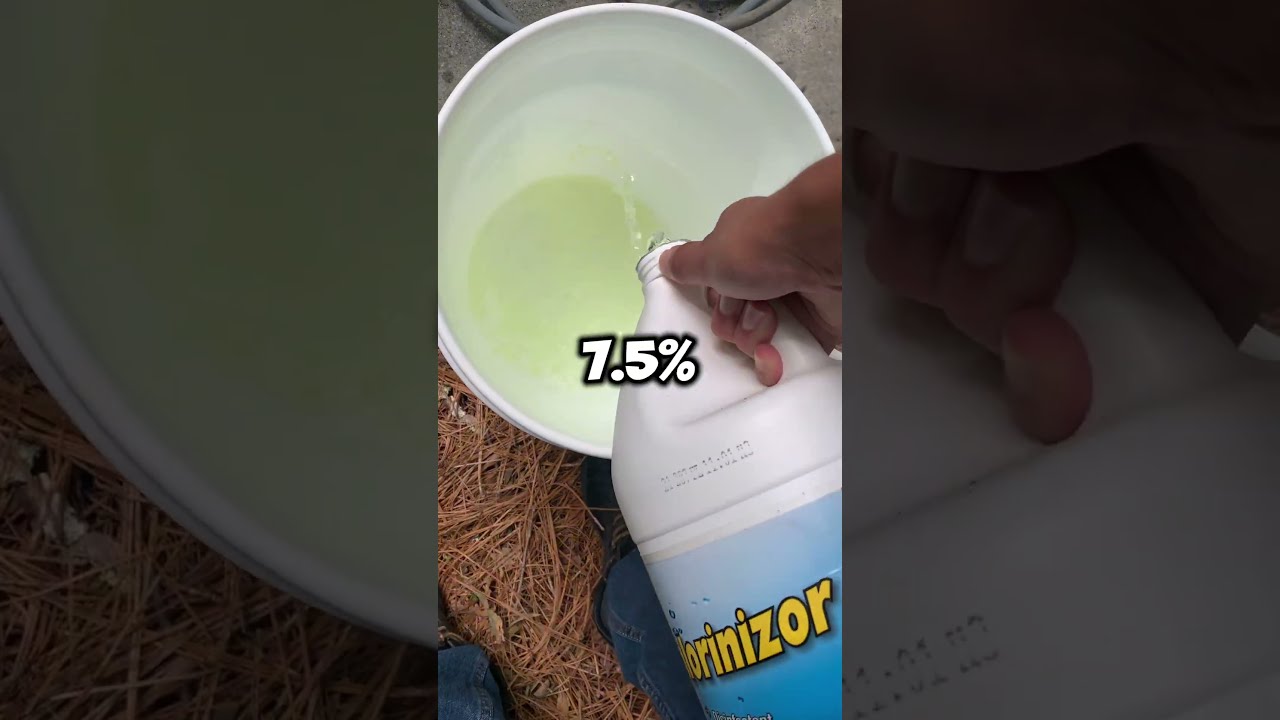
On many residential jobs, rinse water from light cleaning simply runs across lawns or garden beds and soaks in. For plain water or very mild, biodegradable cleaners, this is generally low risk. However, harsher chemicals such as sodium hypochlorite (chlorine-based products) can damage plants, kill grass and affect soil life if not managed. Good operators wet down vegetation beforehand, dilute runoff and rinse plants afterward to limit damage.
How Professionals Manage Wastewater
A professional pressure cleaning business should have a clear plan for wastewater before the first nozzle is triggered. The methods vary with the site and the type of contamination.
- Blocking and protecting drains: Drain covers, mats or inflatable bladders are placed over stormwater pits to stop dirty water entering.
- Bunding and diverting: Temporary barriers or sandbags direct the flow to a collection point or a suitable grassed area.
- Vacuum recovery: Wet vacuums or wastewater recovery units suck up the water as the surface is cleaned, especially in commercial, industrial and food-related settings.
- Filtration and settling: Collected water may pass through filters or settle in tanks so solids and oils can be separated out before disposal.
- Proper disposal: Captured water is discharged to sewer where permitted, or taken away for licensed disposal if it contains hazardous contaminants.
Why It Matters in Rockhampton
Rockhampton sits on the Fitzroy River, one of the largest river catchments flowing to the Great Barrier Reef. Local waterways, creeks and wetlands https://paxtonnobr871.stonefielddigest.com/posts/what-is-pressure-cleaning-a-guide-for-rockhampton-homes play a key role in the region's ecosystem, and heavy summer downpours already carry sediment and nutrients through the stormwater network. Adding detergents, oils or chemical-laden water makes the problem worse. Keeping wastewater out of drains is a small action that supports the health of the river system and downstream marine environments.
The climate also affects how jobs are done. During the wet season, rain can wash residues into drains after cleaning if sites are not properly managed, so scheduling and clean-up timing matter. In the dry months, water restrictions and efficient water use are also considerations, and recycling or recovery systems can help reduce consumption.
Surfaces and Situations That Need Extra Care
Driveways and Garages
Oil stains and fuel residues mean the runoff can contain hydrocarbons. These should be absorbed or captured rather than washed down the street. Absorbent granules or mats are often used first to lift loose oil before washing.
Roofs
Roof cleaning sends water into gutters and downpipes, which often connect to stormwater or to a rainwater tank. Tank inlets should be disconnected before cleaning to avoid contaminating your drinking or garden supply. Downpipes should be temporarily blocked or diverted so that moss, roof sediment and treatment chemicals can be collected.
Commercial Sites and Car Parks
Shopping centres, restaurants, workshops and service stations produce more heavily contaminated wastewater, including fats, oils, food waste and automotive fluids. These sites often require full recovery systems and compliant disposal. Business owners should confirm that their contractor follows relevant regulations.
Pool Surrounds and Decks
Water from pool areas can contain chlorine and cleaning agents. It should not be washed into the pool, and care should be taken to keep it out of drains.
Questions to Ask Your Pressure Cleaner
Before hiring anyone in Rockhampton, ask a few direct questions. A reputable provider will answer confidently and clearly.
- Do you block stormwater drains and collect wastewater during cleaning?
- What type of cleaning chemicals do you use, and are they biodegradable?
- How do you protect my garden and lawn from runoff?
- Do you have wastewater recovery equipment for commercial or oily areas?
- Are you insured, and do you follow Queensland environmental guidelines?
What Property Owners Can Do
If you are cleaning your own property, you can still reduce your impact. Sweep or blow off loose dirt and leaves first so less sediment enters the wastewater. Use the mildest effective cleaner, and avoid washing detergent-heavy water into the street. Direct the runoff onto lawn or garden areas that can absorb it, away from drains, and never allow oily or chemical-heavy water to enter the gutter. For larger jobs or hazardous contamination, hiring a professional with the right equipment is the safer and more compliant choice.
Cleaner Surfaces, Cleaner Waterways
The dirty water from pressure cleaning does not simply vanish. It ends up in stormwater, in the sewer or in the soil, and the right outcome depends on careful planning, suitable equipment and responsible habits. In Rockhampton, where the local rivers and the Reef are such valuable assets, choosing a pressure cleaning provider that takes wastewater seriously is one of the simplest ways to get a spotless finish without compromising the environment. Ask the right questions, expect clear answers, and enjoy results that look good and are done properly in 2026 and beyond.
Rockhampton Pressure Cleaning Pros
(07) 4065 8492
Ends · ERICKLUCG964